Lawn Care in Lewisham: Practical Tips, Seasonal Advice, and Local Solutions
Looking after a garden in South East London can feel rewarding, but it also comes with its own set of challenges. Lawn care in Lewisham is shaped by the local climate, the pace of urban living, shade from mature trees, compact outdoor spaces, and the demands of busy households. Whether you have a small front lawn, a family garden, or a shared green space, the right approach can make a big difference to how healthy, neat, and usable your turf looks throughout the year.
Many residents want a lawn that looks good without requiring constant attention. The good news is that effective lawn care in Lewisham does not have to be complicated. With the right mowing routine, seasonal feeding, weed control, aeration, and watering habits, your grass can stay greener, thicker, and more resilient. A well-kept lawn also adds value to your outdoor space, creating a welcoming area for children, pets, entertaining, and relaxing after a long day.
In a borough like Lewisham, where gardens often vary from sunny terraces to shaded back plots, lawn maintenance needs to be tailored. Soil condition, drainage, foot traffic, and the amount of sunlight all influence how grass performs. This article explores what works best locally, helping you make informed decisions about routine maintenance, problem solving, and long-term lawn improvement.
Understanding the local conditions that affect lawn care in Lewisham

Lawn care in Lewisham begins with understanding the environment. Urban lawns often deal with compacted soil, irregular shade, and a mix of clay-heavy or poor-draining ground. These factors can lead to patchy grass, moss growth, and slow recovery after wear and tear. Knowing what your garden is up against helps you choose methods that support healthier growth rather than fighting against local conditions.
Lewisham gardens also vary widely in size and layout. Some are open and sunny, while others are shaded by fences, buildings, or large trees. Shadier gardens tend to produce softer, thinner grass, while sunny lawns may dry out more quickly in warmer months. The best lawn care in Lewisham often involves adjusting your routine to suit these differences instead of using a one-size-fits-all approach.
Another common issue is soil compaction. Because many urban lawns are used regularly by children, pets, or frequent foot traffic, the soil can become hard and less able to absorb air and water. This causes stress to the grass roots and can lead to weak growth. Improving soil structure is one of the most valuable steps in long-term lawn care in Lewisham, especially if you want a stronger, more durable lawn.
Why local knowledge matters
Every garden is different, but local experience matters because it helps identify recurring problems quickly. For example, a lawn that struggles in spring may need a different solution from one that browns in summer. Paying attention to the specific patterns in your garden allows you to make better choices about mowing height, fertiliser timing, and when to aerate or overseed.
Essential mowing habits for a healthier lawn
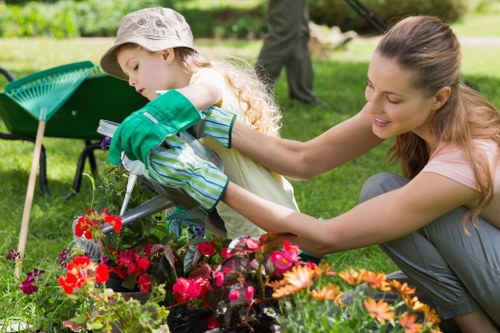
Mowing is one of the most important parts of lawn care in Lewisham. A well-mowed lawn looks tidy and encourages dense growth, but cutting too short can weaken the grass and make it more vulnerable to heat, drought, weeds, and disease. The key is to mow regularly without removing too much of the blade at once.
As a general rule, it is better to follow the one-third rule: never remove more than one-third of the grass height in a single cut. This helps reduce stress and keeps the lawn healthier. In spring and early summer, growth may be faster, so mowing more often may be necessary. In colder or dry periods, mowing can be reduced. The right frequency depends on the season and the speed of growth.
Blade sharpness also matters. Dull mower blades tear the grass rather than cutting it cleanly, which can leave frayed edges and create an entry point for disease. Sharp blades support better lawn health and improve the overall appearance of the turf. If your lawn is showing signs of stress, changing the cutting height can also help. Longer grass tends to hold moisture better and shade the soil, which is useful during dry spells.
Helpful mowing tips for Lewisham gardens
- Mow little and often during active growth periods.
- Raise the cutting height in summer to reduce water stress.
- Avoid mowing when the lawn is wet, if possible.
- Edge the lawn regularly for a neat finish.
- Leave clippings on the lawn occasionally if they are light and dry, as they can return nutrients to the soil.
Watering, feeding, and seasonal lawn maintenance

Watering is a major concern during warmer months, especially in urban settings where dry soil can appear quickly. Good lawn care in Lewisham means watering deeply but not too frequently. Shallow, frequent watering encourages weak roots near the surface, while deep watering supports stronger root development. Early morning is usually the best time, as it reduces evaporation and allows the grass to dry before evening.
Feeding the lawn is equally important. Grass needs nutrients to recover from mowing, foot traffic, and weather changes. A balanced lawn fertiliser can help improve colour, density, and resistance. Timing matters: spring feeds support recovery after winter, while autumn feeds help roots store energy before colder weather arrives. Choosing the right product for your lawn type and soil condition can make a noticeable difference.
Seasonal lawn care in Lewisham should be planned with the weather in mind. Wet winters can create moss and drainage issues, while summer may bring dry patches and slower growth. Spring is a good time to start aerating, feeding, and overseeding if needed. Autumn is often the best season for renovation work because soil remains warm enough for grass seed to germinate while rainfall can support establishment.
Seasonal checklist for better lawn results
- Spring: rake out dead grass, aerate compacted areas, feed the lawn, and overseed thin patches.
- Summer: mow carefully, water deeply when needed, and avoid heavy feeding during heat stress.
- Autumn: apply an autumn feed, continue mowing as needed, and repair worn areas.
- Winter: reduce foot traffic, clear debris, and avoid working on waterlogged ground.
Dealing with weeds, moss, and patchy grass

Weeds and moss are among the most common frustrations for homeowners interested in lawn care in Lewisham. They often appear when grass is thin, soil is compacted, or the lawn is growing in poor light. The best long-term solution is not simply removing weeds, but improving the conditions that allow them to thrive in the first place.
Weeds such as dandelions, daisies, and clover can spread into open areas. Hand weeding may be suitable for small infestations, while selective lawn weed control products may help in larger areas. However, healthy grass is your strongest defence. Thick turf makes it harder for weeds to establish, which is why overseeding and proper feeding are so useful.
Moss usually indicates damp, shaded, or poorly drained conditions. In Lewisham gardens, this can happen where sunlight is limited or where soil has become compacted. Scarifying can help remove moss and thatch, while aeration improves airflow and drainage. If the underlying conditions are corrected, moss is less likely to return. Patchy grass may need a combination of overseeding, topdressing, and improved maintenance to recover fully.
Common causes of poor lawn quality
- Too much shade from nearby trees or buildings.
- Compacted soil that restricts root growth.
- Irregular watering or prolonged dry periods.
- Overcutting the lawn too short.
- Heavy foot traffic or repeated use in the same area.
- Nutrient deficiencies due to lack of feeding.
Improving soil health, drainage, and lawn structure
Strong soil is the foundation of effective lawn care in Lewisham. If the soil is compacted or lacking organic matter, grass roots will struggle to access the air, water, and nutrients they need. Aeration is one of the simplest ways to improve this. By creating small holes in the turf, you help relieve compaction and allow the lawn to breathe more easily.
Topdressing is another useful technique. This involves spreading a thin layer of suitable material, often a mixture of sand and topsoil, across the lawn. It can help level uneven areas, improve surface texture, and support better drainage. When combined with overseeding, it can significantly improve thin or worn sections. These methods are especially valuable for lawns that have suffered from repeated use or seasonal stress.
Drainage problems should not be ignored. If water sits on the lawn after rain, the grass may become waterlogged and vulnerable to disease. Improving drainage can involve aeration, topdressing, or more significant landscaping work if the problem is severe. In some Lewisham gardens, the issue may be caused by clay soil or low-lying areas, making drainage improvement a priority for long-term lawn health.
Ways to support healthier soil
- Aerate compacted areas once or twice a year.
- Use organic matter or topdressing to improve structure.
- Avoid driving or storing heavy items on the lawn.
- Limit repeated traffic on the same paths.
- Consider shade-tolerant grass seed if your garden gets limited sun.
Overseeding and repairing damaged lawns
Overseeding is a practical way to thicken your lawn and improve bare patches. For lawn care in Lewisham, it is especially helpful after winter damage, moss removal, or periods of heavy use. By spreading fresh seed over thin areas, you can encourage new growth and create a denser, more attractive surface. This works best when soil is prepared properly and the new seed is kept moist until established.
If the lawn contains many bare or weak spots, you may need to combine overseeding with raking, aeration, and light topdressing. Preparing the ground gives the seed the best chance to germinate. Choosing a seed mix suited to your garden is important too. Some lawns need a more shade-tolerant blend, while others benefit from a hard-wearing mix for family use. Matching the seed to the site improves your chances of success.
Repairing damaged areas also requires patience. New grass rarely looks perfect immediately, and heavy use should be avoided until it has rooted properly. A steady maintenance routine helps the lawn recover and prevents recurring problems. For many households, this type of targeted repair is the most cost-effective way to improve the overall appearance of the garden without starting from scratch.
When to overseed
- After scarifying moss or removing thatch.
- When large areas are thin or patchy.
- Following aeration to help seed-to-soil contact.
- In early autumn or spring, when growing conditions are favourable.
Choosing the right lawn care approach for different garden types
Lawn care in Lewisham is not limited to traditional rectangular gardens. Front gardens, back gardens, courtyards, and communal green spaces all need slightly different approaches. Smaller lawns often dry out or wear out more quickly because they are used more intensively. Larger lawns may have more variation in light and soil quality, requiring a zone-based approach.
For family gardens, durability matters. A hard-wearing grass mix, consistent mowing, and periodic feeding can help the lawn tolerate higher use. For decorative lawns, appearance may be the main goal, so a finer finish and more regular maintenance might be preferred. In shaded gardens, it is often wise to reduce expectations slightly and focus on maintaining healthy coverage rather than forcing a bright, dense finish in difficult conditions.
Container gardens, narrow side returns, and small urban plots also benefit from careful planning. Even limited lawn areas can improve the look and feel of a property if they are properly maintained. A neat, healthy patch of grass can soften hard landscaping and provide a green focal point, even when space is tight.
Practical priorities by garden type
- Small lawns: manage wear, mow accurately, and avoid overfeeding.
- Shaded lawns: improve light where possible and use shade-tolerant seed.
- Busy family lawns: focus on durability, repair, and consistent maintenance.
- Decorative lawns: refine mowing, edging, and feeding for a polished finish.
Professional lawn care versus DIY maintenance
Many homeowners enjoy taking care of their own lawns, and basic maintenance can certainly be done successfully at home. However, some situations require more experience, specialist equipment, or a broader treatment plan. Professional lawn care in Lewisham can be useful when you are dealing with severe compaction, persistent moss, poor drainage, or a lawn that has become too patchy to recover through routine upkeep alone.
DIY maintenance is ideal for regular mowing, light feeding, watering, and basic weed removal. It can work very well if you stay consistent and respond early to changes in the lawn’s condition. Professional support may be the better option when the problem is spreading, when time is limited, or when the lawn needs restorative work such as aeration, scarifying, or overseeding carried out at scale.
There is also a middle ground. Some residents prefer to handle the routine tasks themselves while bringing in specialist help for seasonal treatments or recovery work. This can be an efficient way to keep a lawn in good condition without turning maintenance into a full-time job. The best choice depends on your garden’s needs, your available time, and the look you want to achieve.
Signs it may be time for specialist help
- The lawn remains patchy despite regular upkeep.
- Moss keeps returning after treatment.
- Water pools on the surface after rainfall.
- Grass grows weakly in several areas.
- The lawn has become uneven, compacted, or difficult to manage.
Creating a year-round routine for long-lasting results
A healthy lawn is usually the result of consistent, seasonal attention rather than one-off treatment. The most successful lawn care in Lewisham routines are simple, repeatable, and suited to the local environment. By planning ahead, you can reduce problems before they become serious and keep your lawn looking its best across the changing seasons.
Start by setting basic priorities for each part of the year. In spring, focus on recovery and renewal. In summer, protect the lawn from heat and stress. In autumn, strengthen it for the colder months. In winter, avoid unnecessary damage and wait for the soil to improve before carrying out heavy work. Small actions done regularly will usually produce better results than occasional major interventions.
It is also useful to monitor your lawn closely. Look for changes in colour, thickness, drainage, and weed growth. This helps you respond quickly and make adjustments before a minor issue becomes a bigger one. The more familiar you become with your lawn, the easier it is to maintain a healthy appearance.
Simple year-round lawn routine
- Cut regularly but never too short.
- Feed at the right times of year.
- Water deeply during dry weather.
- Aerate and scarify when needed.
- Repair thin patches before they spread.
- Keep an eye on moss, weeds, and drainage.
Why lawn care in Lewisham improves more than just appearance
Good lawn care in Lewisham is about more than visual appeal. A well-managed lawn supports outdoor living, improves the feel of a garden, and creates a more welcoming space for everyday use. It can also make a property look better maintained overall, which matters whether you are enjoying your home, preparing for visitors, or simply wanting a pleasant view from the window.
There are practical benefits too. A stronger lawn is more resilient, easier to maintain, and better able to cope with foot traffic and weather changes. Healthy grass can help reduce muddy areas, improve drainage performance at the surface, and make the garden more functional throughout the year. Even modest improvements can make a noticeable difference in how the space is used.
For many households, the goal is not perfection but consistency. A lawn that is green, level enough, and free from obvious patchiness can transform a garden’s overall atmosphere. With the right approach, lawn care in Lewisham becomes a manageable part of home upkeep rather than a constant source of stress. Book your service now if you want to give your lawn the attention it deserves, or contact us today to take the next step toward a healthier garden.

